Pipes Freeze Every Winter
Pipes freeze at the cold spots where outside air reaches them, usually the same run every year. A thermostat controlled heat cable on that run, fitted exactly as its label directs, keeps the pipe above freezing through the cold nights that used to burst it.
The short answer
Find the run that freezes, fit the Frost King Automatic Electric Heat Cable Kit along it exactly as the label directs, and place its thermostat against the coldest section of pipe. It holds 4.2 stars from 1,275 reviews on Home Depot (November 2026), with 78 percent of reviewers recommending it. That recommendation figure is the softest on this page. Most unhappy reports trace to thermostat placement, an installation error this page treats as the central lesson.
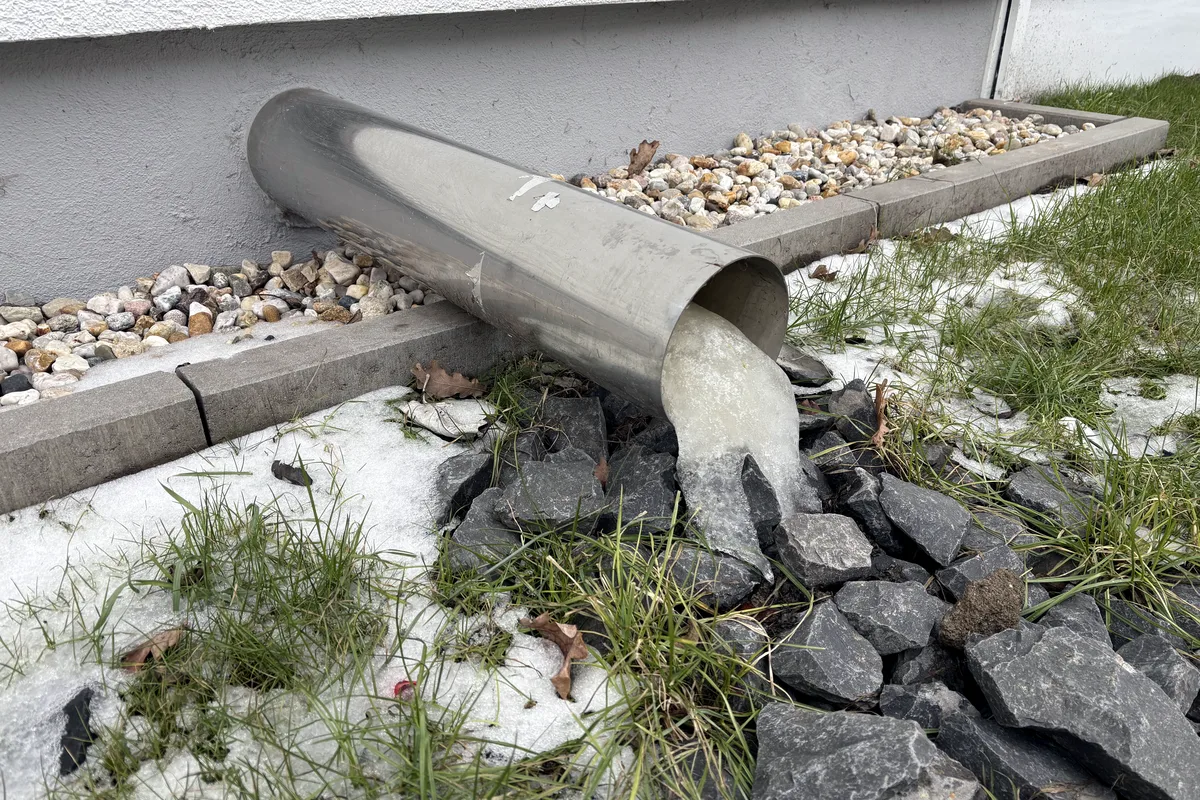
Why does this happen?
Water expands as it freezes, and a pipe gives that expansion nowhere to go. Ice often forms first at the coldest exposed section, in a crawl space, an outside wall, or a garage run, and pressure builds between the ice and a closed tap until the pipe splits, frequently not at the frozen spot itself. The same house freezes the same run each winter because the cold path, through a vent, a gap, or thin insulation, does not change.
A heat cable answers that mechanism at the pipe surface: it adds gentle heat along the vulnerable run and its thermostat calls for that heat as the pipe cools. The thermostat is therefore not an accessory detail. If it sits in a warm spot, it reads comfort while the cold end of the run freezes unheated. Most failures reported for this kind of kit follow that single placement error, which is why the instructions put sensor position ahead of cable length.
The fix, in order
Cheapest first, in order. When a step solves it, you are done; the product step is for the cases the free steps cannot finish.
Free step
Map the run that freezes and close its cold air path
Start from past winters: which tap stops first, and where does that pipe run through crawl space, garage, or outside wall. Seal obvious gaps and close crawl space vents serving that run where your house allows it. Removing the cold air source lowers the load every other step has to carry, for free.
Free step
Insulate the run and learn the dripping fallback
Fit foam pipe insulation over the vulnerable run, including elbows as well as you can. Insulation alone slows freezing rather than preventing it in hard cold, so also learn the emergency fallback: in a severe night, a slow drip from the far tap relieves pressure and keeps water moving while you arrange proper heat.
The product step
Fit the Frost King heat cable with the thermostat on the cold spot
Run the cable along the pipe exactly as the label directs, then fix the thermostat firmly against the coldest section of that run, the place that freezes first, not the warmest convenient spot. Thermostat placement is the step most failed installations get wrong, so check it twice before insulation goes over the cable where the label permits it.
The product for this step
Frost King Automatic Electric Heat Cable Kit
Habit step
Test before the first hard freeze, every autumn
Each autumn, confirm the outlet has power, the cable and thermostat sit where you left them, and insulation has not slipped or been disturbed by other work. If you find in January that a heat cable has died, the failure was not testing it in autumn, when there was time to replace it.
The evidence, in tiers
Tier 1 · The method
The prevention method follows freeze mechanics and the product label: heat applied at the pipe with thermostat control holds the vulnerable run above freezing, while insulation and air sealing reduce heat loss, and label exact installation governs an electrical product used on plumbing.
Tier 2 · This product
The Frost King Automatic Electric Heat Cable Kit holds 4.2 stars from 1,275 reviews on Home Depot (November 2026), with 78 percent of reviewers recommending it, the weakest recommend figure among the heating and plumbing products covered in this set of pages.
We have not fitted a heat cable for this guide. The installation sequence follows the product label and the thermostat placement lesson drawn from its own review record.
Tier 3 · What owners report
Owners report a clear split: runs protected through hard winters where the thermostat sat on the cold section, and frozen pipes where it sat somewhere warm and convenient. That split, repeated across the record, is why this page treats placement as the product, and the cable as the way it is delivered.
The alternatives, conceded where they win
| Option | What it is | The honest verdict |
|---|---|---|
| Frost King Automatic Electric Heat Cable Kit | Thermostat controlled electric heat cable for a specific pipe run | The pick: it heats the exact run that freezes, automatically, through every cold night of the season once it is fitted and placed correctly. |
| Foam pipe insulation alone | Sleeves that slow heat loss from the pipe | Wins on price and simplicity, and it belongs on the run either way; it loses in hard or prolonged cold because slowing heat loss is not adding heat, so a long freeze still arrives. |
| Dripping the taps on cold nights | A slow drip to relieve pressure and keep water moving | Wins as an emergency measure tonight, with nothing to install; it loses as a season strategy because it depends on someone remembering, wastes water nightly, and protects only while it runs. |
The honest price comparison
The honest comparison is a burst pipe repair and its water damage, which the research behind this page describes as a five figure repair in bad cases, against a cable kit and an hour on one pipe run. You pay for prevention once. A burst pipe costs you a plumber, new flooring, and days of drying out.
Where it falls short
What follows is drawn from the product's own reviews: the complaints and failures buyers report after living with it.
- Its 78 percent recommend figure on Home Depot (November 2026) is the weakest among comparable products in this set, and this page does not hide that record.
- Most negative reports trace to thermostat placement: fitted against a warm section, the kit can sit idle while the cold end of the run freezes, exactly as if nothing were installed.
- It is an electrical product with label exact installation: overlapping, altering, or powering it contrary to the label is outside safe use, not a shortcut.
- It protects the run it is fitted to and no other: a second vulnerable run elsewhere in the house needs its own assessment, not an assumption of cover.
The product, in short
Frost King Automatic Electric Heat Cable Kit
Questions people ask next
Where exactly should the thermostat sit?
Against the coldest section of the pipe run, in firm contact with the pipe, fixed as the label directs. That spot freezes first, so the thermostat must read it. A sensor near the warm house end is the most common installation error in the record.
Is insulation alone enough for my pipes?
Insulation slows freezing and is worth fitting, but in prolonged hard cold a still pipe inside insulation eventually reaches the surrounding temperature. Insulation buys time; the heat cable adds heat. Houses in milder cold may manage with insulation and air sealing alone, which the mapping step helps you judge.
What should I do if a pipe is already frozen?
Turn off water to that run, open the tap, and warm the pipe gently and evenly, checking for leaks as it thaws. Keep carbon monoxide alarms working, and never use a generator, grill, or unvented heater indoors. A split pipe shows at thaw and is plumber work.
Does the cable run all winter and cost much to run?
The built in thermostat switches the cable on as the pipe nears freezing and off when it warms, so it works on cold nights rather than continuously. Correct placement matters here too: a sensor in the wrong place can call for heat the pipe does not need.
Home Depot product record for Frost King Automatic Electric Heat Cable Kit (November 2026) · Product label and installation instructions for Frost King Automatic Electric Heat Cable Kit
The Fix JournalCase 32Home Systems