Slugs Are Eating My Garden
Slugs feed at night on hostas, seedlings, and vegetables, hiding in damp shelter by day. Iron phosphate bait such as Sluggo is eaten, stops feeding, and carries a lower risk profile for pets and wildlife than the older metaldehyde baits the garden should avoid.
The short answer
Clear daytime hiding places, protect seedlings, then scatter Monterey Sluggo around the plants slugs are hitting and refresh it as the label directs. Its Home Depot listings include 4.7 stars from 228 reviews on Home Depot (November 2026), with smaller counts on other sizes. Placement and timing matter more than volume.
Why does this happen?
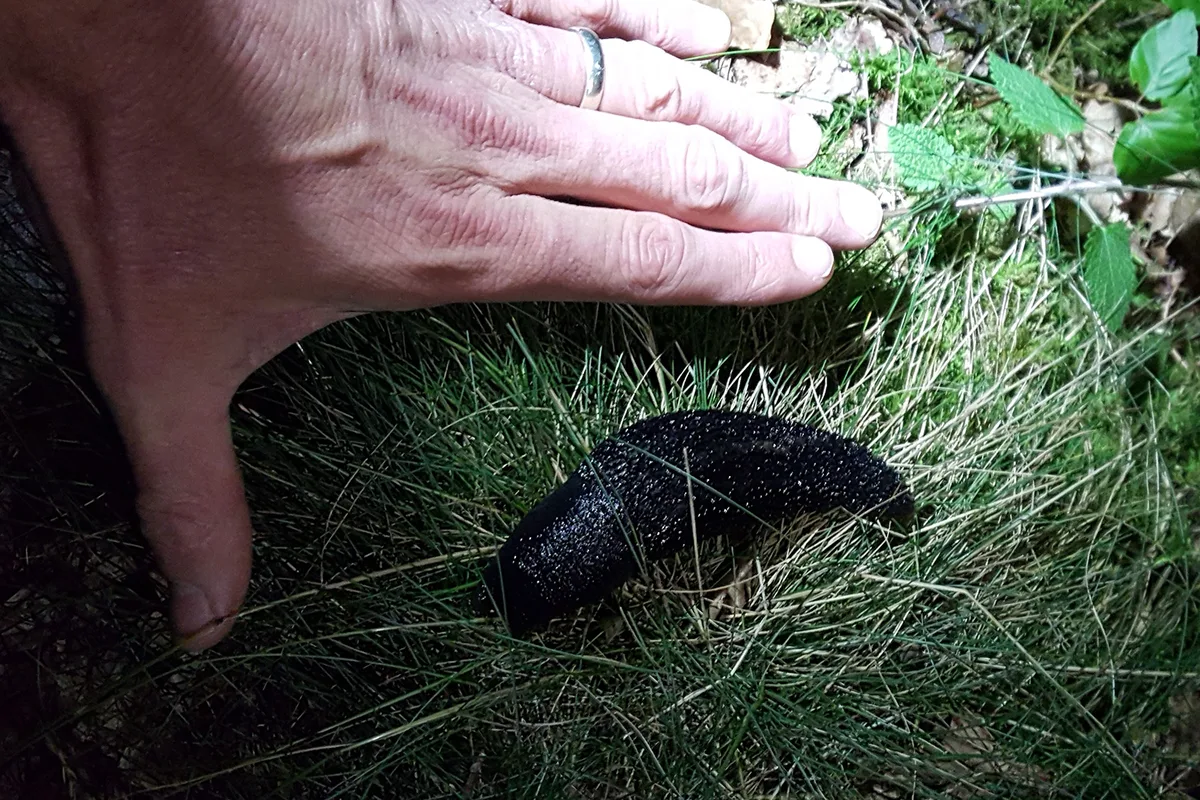
Slugs are night feeders that spend the day in damp shelter: under boards, dense mulch, leaf litter, and the crowns of the same plants they eat. The ragged holes and slime trails found in the morning are the record of that feeding. A garden can look almost slug free at noon and lose seedlings overnight, which is why daytime hunting alone rarely solves a real infestation in a wet spring.
Iron phosphate bait works by ingestion. Slugs eat the bait, stop feeding, and move away to die, so damage falls before the gardener sees many bodies. That differs from metaldehyde, the older active ingredient that is genuinely dangerous to pets. Bait choice is therefore a safety decision as well as an effectiveness one. Placing bait around the target plants and refreshing it after rain works better than broadcasting bait across a whole bed.
The fix, in order
Work down the list: free and cheap steps first. Stop when the plant turns the corner; the product is only for what the free steps cannot do.
Free step
Remove daytime hiding places near target plants
Lift boards, thin soggy mulch right around seedlings and hostas, and clear leaf litter where slugs shelter. Check under pots and stones in the morning to confirm where they gather. Reducing shelter near the plants you care about lowers the local population before any bait is used and shows you where damage starts.
Free step
Protect seedlings with collars and timing
Use cut collars or other simple barriers around new transplants, harden plants off well, and avoid leaving tender seedlings unprotected during a wet spell. Seedlings are the highest value target because one night of feeding can finish them, while an established hosta usually survives leaf damage and regrows.
The product step
Scatter Monterey Sluggo where slugs feed
Scatter Sluggo evenly around hostas, seedlings, and vegetables being eaten, following the label rate rather than piling it in heaps. Apply in the evening when slugs become active and refresh after heavy rain or as the label directs. Ingestion stops feeding, so judge results by reduced new damage over following nights.
The product for this step
Monterey Sluggo
Habit step
Water in the morning and keep beds drier at night
Water early in the day so surfaces dry before slugs emerge, and avoid evening overhead watering that leaves the whole bed damp at feeding time. Keep this habit through wet springs. Drier nights will not remove an infestation alone, but they make every other step work better.
The evidence, in tiers
Tier 1 · The method
The research identifies iron phosphate as a bait that slugs eat and that then stops them feeding. It has a low risk to other animals, supported by its EPA reduced risk registration, in contrast to metaldehyde, the older pet-dangerous ingredient named as the one to avoid.
Tier 2 · This product
Monterey Sluggo has small Home Depot records across sizes, including 4.7 stars from 228 reviews, 4.8 stars from 101 reviews, and 4.2 stars from 56 reviews on Home Depot (November 2026).
We have not run a hosta bed trial for this guide. The placement and refresh routine follows the ingestion mechanism and the label approach described in the research.
Tier 3 · What owners report
Owners report damage falling over several nights rather than instantly, better results when bait is refreshed after rain, and disappointment when it is scattered once in a dry week and judged before slugs have fed on it.
The alternatives, conceded where they win
| Option | What it is | The honest verdict |
|---|---|---|
| Monterey Sluggo | Iron phosphate slug and snail bait | Our pick: a bait that slugs eat, made for gardens with pets and wildlife, using the active ingredient the research contrasts with pet-dangerous metaldehyde. |
| Beer traps and hand picking | Drowning traps and night collection | Wins on a small bed and for confirming slugs are the culprit, with no bait purchase; it loses at garden scale, where traps need daily emptying and hand picking misses the population hiding beyond torch range. |
| Metaldehyde slug bait | Older chemical slug bait | Wins only on long availability in garden stores; it loses on the point that matters most in family gardens, because metaldehyde is genuinely dangerous to pets, and this page advises against it by name. |
The honest price comparison
The honest comparison is replanting seedlings and hosta divisions lost night after night through a wet spring, or paying for repeated garden visits. A bait container used at label rate around the plants actually being eaten is the small end of that cost.
Where it falls short
These weaknesses come from the product's own reviews, not from a rival's marketing. Read them before you buy.
- The Home Depot review counts are small for every size, so the product record is thinner than for most garden staples.
- Results arrive over nights, not hours, because slugs must find and eat the bait first.
- Rain and watering shorten how long scattered bait stays effective, so refresh timing affects results.
- It reduces feeding around treated plants; it does not remove slugs sheltering across a whole damp garden.
The product, in short
Monterey Sluggo
Questions people ask next
How do I know slugs, not insects, are eating my plants?
Look for slime trails on leaves and soil, ragged holes that appear overnight, and slugs themselves under boards, pots, or leaf litter in the morning. A torch check after dark during wet weather usually settles the identification in one visit.
Is iron phosphate bait safe around pets?
Iron phosphate is the lower risk option in this category and is positioned for use around pets and wildlife, unlike metaldehyde, which is genuinely pet dangerous. Still follow the label, scatter rather than pile bait, and store the container out of reach.
Why did the bait seem to do nothing the first night?
Slugs must eat the bait, after which feeding stops and they move away to die, so the clearest sign is less new damage over following nights rather than bodies in the morning. Judge it over a week of consistent placement.
Should I put bait everywhere in the garden?
No. Scatter it at label rate around the plants actually being eaten, especially seedlings, hostas, and vegetables, and refresh it there after rain. Targeted placement protects the high value plants and uses less bait than broadcasting across beds slugs rarely visit.
Home Depot product records for Monterey Sluggo (November 2026) · EPA reduced risk registration background for iron phosphate slug bait
The Fix JournalCase 20Plants & Garden