Crabgrass Every Year: The Prevention Window
Crabgrass is an annual weed that returns from seed, and it germinates when soil warms to about 55 degrees Fahrenheit. A pre-emergent applied before that window stops the seed; the same product applied after the plants appear does nothing to them at all.
The short answer
If crabgrass takes over the lawn every summer, the fix is timing, not a stronger spray. Put Scotts Turf Builder Halts Crabgrass Preventer with Lawn Food down before the soil reaches about 55 degrees Fahrenheit. It holds 4.2 to 4.3 stars from 5,928 to 5,938 reviews on Home Depot (November 2026), with 87 percent of reviewers recommending it. The key point: it will not kill crabgrass that is already growing, and expecting it to is the single most common complaint in its own record.
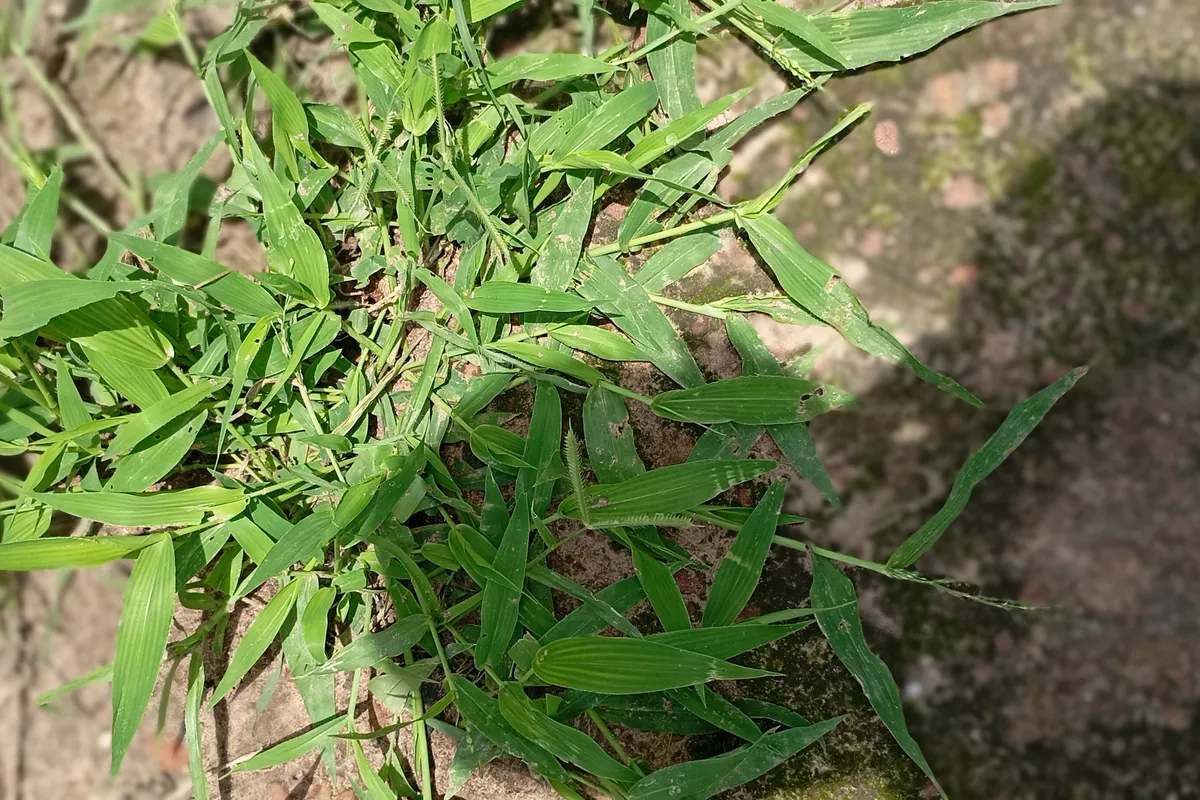
Why does this happen?
Crabgrass lives one season and relies entirely on seed. Last summer's plants dropped seed into the lawn before dying, and that seed waits in the soil until warmth triggers it to germinate, at a soil temperature of about 55 degrees Fahrenheit. A pre-emergent works at that moment: spread on the lawn beforehand, it sits in the surface soil and stops the seedling as it starts, before there is a plant to see. It is a barrier that only works if the timing is right, which is why the same bag works well in one yard and does nothing in the next street when it is applied three weeks later.
The failure mode is timing, not aim, and it runs in both directions. Applied after germination, the product meets established plants it was never designed to touch, and the buyer concludes it does not work; the record shows this is the most common complaint by far. Applied far too early, the barrier can thin before the germination window closes. The bag itself matters too. The version with lawn food has a strong record, while the plain preventer without it has a much weaker one. The two similar bags on the shelf are not interchangeable, and picking up the cheaper lookalike is a common mistake.
The fix, in order
Work down the list: free and cheap steps first. Stop when the plant turns the corner; the product is only for what the free steps cannot do.
Free step
Confirm the problem is crabgrass seed, not this year's plants
Look at last year pattern: crabgrass appears in the same hot, thin, sunny areas each summer and dies with frost, leaving the seed behind. If the lawn is currently bare of it because the season has not started, that is exactly the pre-emergent moment. If plants are already up and spreading, prevention has missed this round and the honest plan is next season.
Free step
Watch soil warmth, not the calendar alone
Crabgrass germinates at about 55 degrees Fahrenheit in the soil, which arrives on different dates in different places and years. Local extension guidance and the classic signs, forsythia and lilac bloom, bracket the window. Aim to have the barrier down just before germination, and treat a warm early spring as the window moving, not as a surprise.
The product step
Spread the Halts with Lawn Food evenly, before the window
Apply Scotts Turf Builder Halts Crabgrass Preventer with Lawn Food with a spreader at the label rate, covering the lawn evenly, especially the hot edges along drives and walks where crabgrass starts. Missed strips germinate in straight lines that show exactly where the spreader went. Check that the bag in your hand is the with lawn food version before you fill the spreader, not after.
The product for this step
Scotts Turf Builder Halts Crabgrass Preventer with Lawn Food
Habit step
Thicken the grass so seed finds no room
Crabgrass seed needs light and bare warm soil, and a dense lawn denies both. Mow at a proper height, feed the grass the lawn already has, and overseed thin patches in fall so next spring starts with fewer gaps. Each year the turf thickens, the preventer has less work to do. That is the only way to stop needing it every year.
The evidence, in tiers
Tier 1 · The method
Extension guidance is consistent on the mechanism: crabgrass germinates at soil temperatures around 55 degrees Fahrenheit, and pre-emergent products prevent that germination when applied beforehand. No extension source describes a pre-emergent as killing established crabgrass plants, which is the boundary this page states.
Tier 2 · This product
Scotts Turf Builder Halts Crabgrass Preventer with Lawn Food holds 4.2 to 4.3 stars from 5,928 to 5,938 reviews on Home Depot (November 2026), with 87 percent of reviewers recommending it. The plain preventer without lawn food holds 3.7 stars from 1,152 reviews, with 68 percent recommending it.
We have not run a treated and untreated lawn side by side for this guide. The timing guidance follows extension soil temperature guidance and the product label.
Tier 3 · What owners report
Owners who applied before germination report the clean lawn the mechanism promises. The dominant complaint, by a wide margin in the record, is from buyers who spread it on crabgrass already growing and watched nothing happen, followed by buyers who used the plain version and rated the experience the weaker record predicts.
The alternatives, conceded where they win
| Option | What it is | The honest verdict |
|---|---|---|
| Scotts Halts Preventer with Lawn Food | Pre-emergent barrier plus lawn food | The pick: the strong record of the two versions, and the food supports the turf density that keeps crabgrass seed from finding light and bare soil. |
| Scotts Halts Preventer, plain version | Pre-emergent barrier without lawn food | Wins only on being the bag some shoppers reach for first. Its record is materially weaker, at 3.7 stars and 68 percent recommending it, and nothing about it compensates for that gap. |
| Post-emergent crabgrass spray | Spray that kills growing crabgrass plants | Wins in the season prevention was missed: it is the tool that acts on plants already up, which the preventer cannot touch. It loses as a yearly strategy, because it fights established plants every summer and does nothing about the seed waiting for next year. |
The honest price comparison
Compare one bag applied in the prevention window with a summer of post-emergent sprays, reseeding dead patches, or a lawn service applying the same pre-emergent. The product is not the expensive part of crabgrass. Missing the window and paying to fight it every year is.
Where it falls short
These weaknesses come from the product's own reviews, not from a rival's marketing. Read them before you buy.
- It kills nothing already growing, and that single misunderstanding drives the largest share of its negative reviews; a buyer with visible crabgrass today gets no help from it this season.
- Its window is unforgiving: applied after germination it is wasted for the year, and the soil temperature that sets the deadline arrives on a different date every spring.
- The shelf holds a near identical plain version with a much weaker record, and the packaging similarity makes the wrong bag an easy, consequential grab.
The product, in short
Scotts Turf Builder Halts Crabgrass Preventer with Lawn Food
Questions people ask next
The crabgrass is already up. Will this kill it?
No. This is a pre-emergent: it stops seed from starting and has no action on plants already growing. Existing crabgrass needs a post-emergent approach this season, and the preventer goes down before germination next season. That distinction is the whole page.
When exactly do I put it down?
Just before soil reaches about 55 degrees Fahrenheit, the germination point. Local extension charts give the window for your area, and forsythia bloom is the traditional visible sign. A warm early spring moves the date earlier, which is why soil warmth beats a fixed calendar date.
Is the plain bag without lawn food the same thing cheaper?
The records say no. The with lawn food version holds about 4.2 to 4.3 stars with 87 percent recommending it; the plain version holds 3.7 stars with 68 percent recommending it. Treat them as different products that happen to share most of a name.
Why did it work everywhere except one strip?
A missed strip is the usual answer, and crabgrass maps it faithfully because seed in untreated soil germinates on schedule. Edges along hot pavement are the other classic failure. Even spreader coverage, with attention to borders, is the unglamorous fix for both.
Home Depot product record for Scotts Turf Builder Halts Crabgrass Preventer with Lawn Food (November 2026) · Extension service guidance on crabgrass germination and soil temperature
The Fix JournalCase 10Plants & Garden