Burnt-On Grill Grates
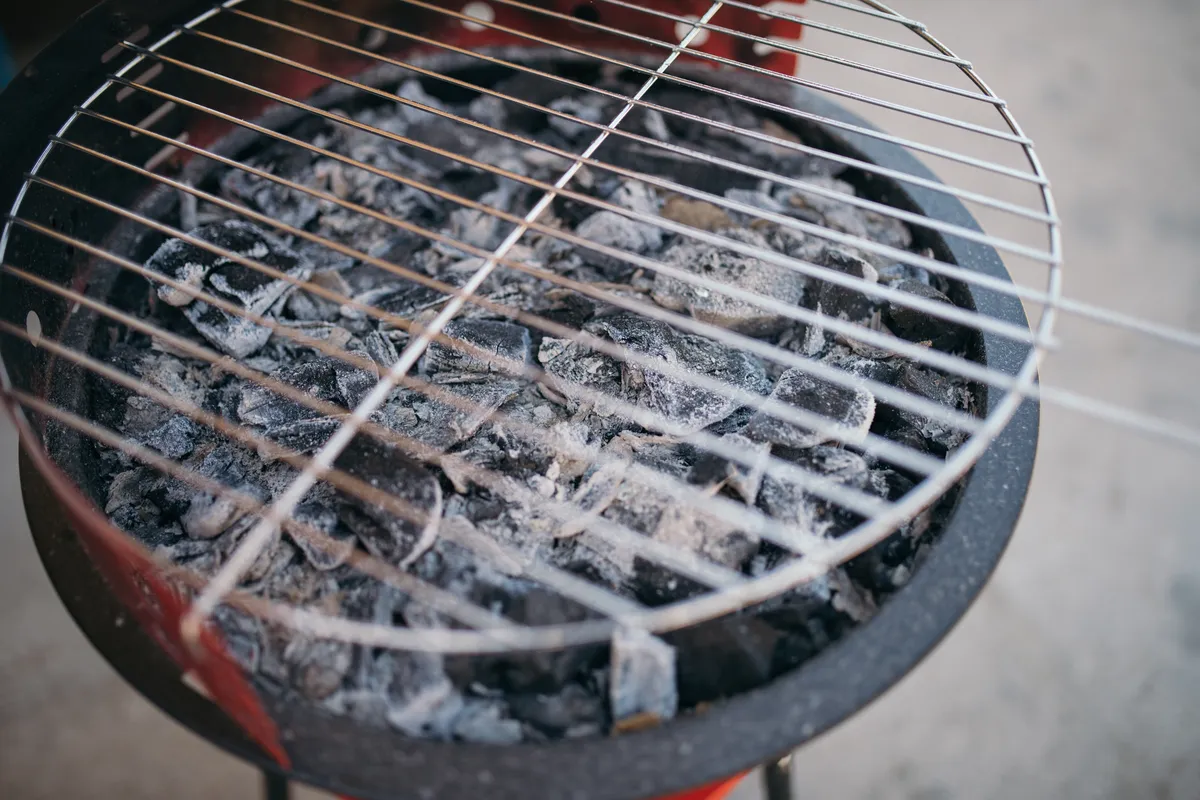
Carbon crusted grill grates and a cook box lined with baked grease
The short answer
Start with the bristle warning, because it matters more than the cleaning. Wire grill brushes shed bristles that stick to grates, end up in food, and have put people in emergency departments. Get rid of the wire brush first. For the carbon itself, the Weber Grate Grill Cleaner holds 4.3 stars from 463 reviews at Home Depot (November 2026), with a soft 67 percent recommend rate that this page prints rather than hides. The same brand's nylon brush scores only 3.2 stars from 142 reviews, and this page names it as the product not to buy.
Why does this happen?
Burnt-on residue is carbonized grease, stuck hard to the grate. Heat, soaking, and the right cleaner loosen it. Scraping hard mostly moves it around and damages enamel.
Wire bristles are the hidden cost of the old method. A single shed bristle clings to a grate invisibly, transfers to food, and can lodge in a throat or worse. The injuries are documented in medical journals.
The flaking black layer inside a grill lid is carbon from smoke and grease, not peeling paint. It flakes into food once it loosens, and it brushes off dry in minutes once you know what it is.
The fix, in order
Work down the list: free and cheap steps first. Stop when the plant turns the corner; the product is only for what the free steps cannot do.
Free step
Burn off, brush safe
Run the grill at full heat for 15 minutes with the lid down to carbonize fresh residue, then brush the hot grates with a bristle free coil brush or a nylon brush rated for hot use. Check the grates with a wiped paper towel after.
Free step
Soak and scrape
Lift the cooled grates into hot soapy water for an hour. Work the cook box with a plastic scraper, and brush the lid's carbon layer off dry into a bin.
The product step
Clean with the maker's spray
On cool grates, spray the Weber Grate Grill Cleaner, let it dwell as the label directs, and wipe down. It is made for grate enamel and steel, which is why it is recommended here instead of a general oven cleaner.
The product for this step
Weber Grate Grill Cleaner spray
The evidence, in tiers
Tier 1 · The method
The method follows the grill maker's own care guidance and the CDC's MMWR write up of wire bristle ingestion injuries, which is the technical source for the bristle warning and the reason a bristle free routine leads the page.
Tier 2 · This product
Weber Grate Grill Cleaner holds 4.3 stars from 463 reviews at Home Depot (November 2026), with 67 percent of reviewers recommending it, a soft figure printed as it stands. The Weber nylon brush holds 3.2 stars from 142 reviews at the same retailer and is excluded on that record. We have not restored a grill with this spray for this guide, and no claim is made here that we have.
The 67 percent recommend rate is the honest soft spot: the cleaner is chosen for grate safety and maker fit, not for speed. Years of carbon still need the soak and scraper steps in the ladder, whatever spray is used.
Tier 3 · What owners report
Owners report the spray handling routine carbon well when it dwells on cool grates. Disappointed reviews describe heavy restorations attempted with the spray alone, and frayed nylon brushes from the same brand, which matches the brush's own low rating.
The alternatives, conceded where they win
| Option | What it is | The honest verdict |
|---|---|---|
| Weber Grate Grill Cleaner | Maker formulated grate spray | The pick: safe on grate enamel, honest middling recommend rate. |
| Coil brush and soak alone | Bristle free mechanical cleaning | Safe and free, and enough for light soil; heavy carbon turns it into a long afternoon. |
| Pumice grill brick | Abrasive block for grates | Works fast on steel, and can wear enamel if pressed; a steel grate tool, not a universal one. |
| Generic oven cleaner | Caustic foam, not rated for grates | Strong, and the wrong tool here: residue risk on cooking surfaces and damage risk on finishes. |
The honest price comparison
Before the first cook of the season, wipe the cold grates with a damp paper towel in a bare hand. Anything that snags gets the full clean before food goes on. That two minute check is how you find loose bristles.
Where it falls short
These weaknesses come from the product's own reviews, not from a rival's marketing. Read them before you buy.
- A 67 percent recommend rate is middling, and this page will not dress it up.
- Slow on years of neglected carbon; the spray is the third step, not a substitute for the first two.
- A spray bottle runs out fast on a large grill with heavy soil.
- The same brand also sells the 3.2 star nylon brush named above. Judge each product on its own record.
The product, in short
Weber Grate Grill Cleaner spray
Questions people ask next
Are wire brushes as dangerous as people say?
Yes, on the published record. The CDC has written up emergency cases of swallowed bristles for years. The risk per cookout is small; the injury is severe and entirely avoidable with a coil brush.
Is the cleaner safe on porcelain enamel grates?
That is the use it is formulated for. Follow the dwell time, wipe fully, and heat the grill before the next cook as the label directs.
What is flaking off inside my lid?
Carbon from smoke and grease, not paint. Brush it off dry with a plastic scraper so flakes do not land on food.
How often should grates get the full clean?
A burn off after cooking, a brush while hot, and the full soak and spray routine at the start and end of the season covers most home grills.
Home Depot listing records for the Weber Grate Grill Cleaner and Weber nylon brush (November 2026) · CDC MMWR: injuries from ingestion of wire grill brush bristles · Weber grill care and cleaning guidance
The Fix JournalCase 30Plants & Garden