Guinea Pig Cage Smells Two Days After Cleaning
Guinea pigs produce a large volume of urine for their size, and they live right at bedding level, so odor control and breathing safety are the same problem. A paper bedding made for odor control absorbs urine and holds its smell down far longer than basic shavings.
The short answer
Fill the cage deeper than you think you need to with Kaytee Clean & Cozy Extreme Odor Control bedding, and spot clean the wet corners daily. It holds 4.4 stars from 356 ratings on Chewy (November 2026) and 4.8 stars from about 106 reviews on Petco (November 2026), where 97 percent of reviewers recommend it. Guinea pigs soak bedding faster than hamsters or mice, so a smell after two days usually means too little bedding, not a dirty keeper.
Why does this happen?
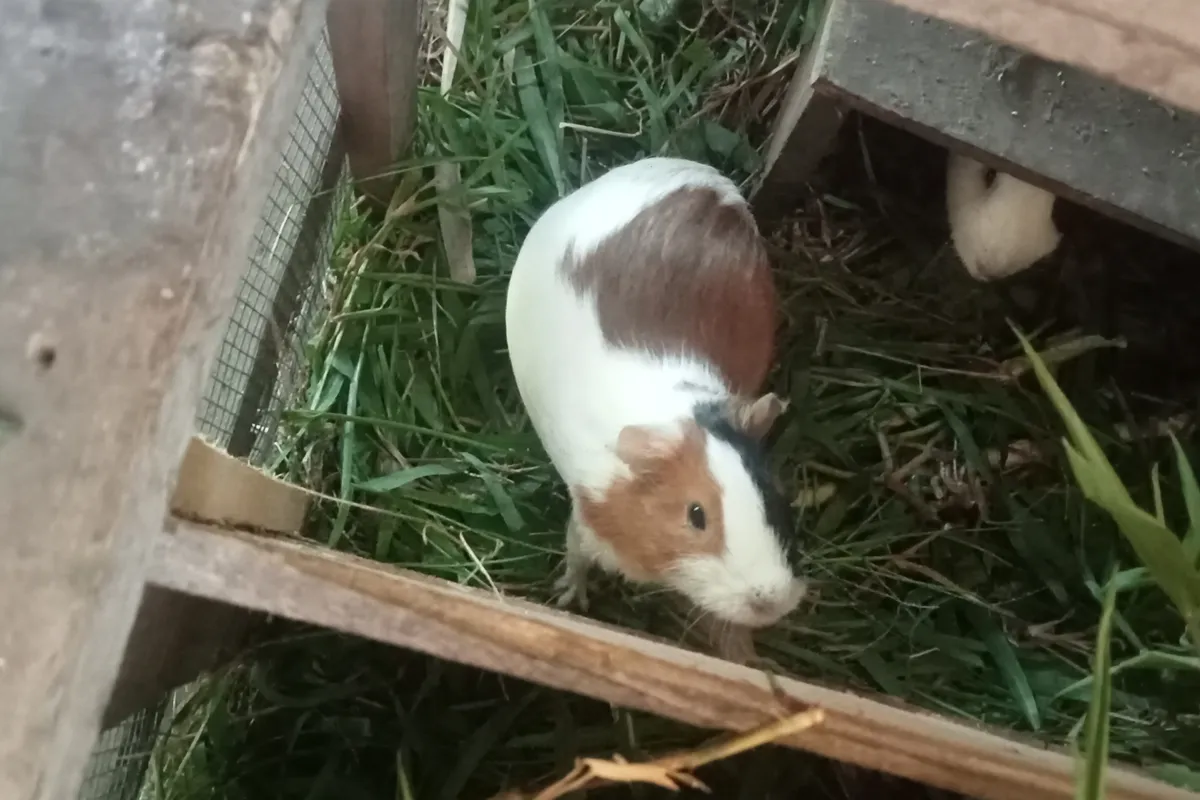
Guinea pigs are fairly large for small mammals. They eat and drink a lot, so they produce a lot of urine, mostly in favorite corners where they also sleep. Bacteria in soiled bedding turn that urine into ammonia quickly. The animals live, eat, and breathe right at bedding level, so they get the buildup at full strength. A thin layer of bedding is soaked in a day or two. After that, every new deposit lands on an already loaded surface and the smell escapes freely.
Paper bedding changes this in two ways. Its fibers absorb a large amount of liquid and spread it through the layer instead of letting it pool. A deep fill also means the cage floor can absorb several times more than a thin scattering. The Extreme Odor Control version is made to hold the smell down longer, so owners need fewer full changes. It does not change how much the animal produces, so the system still depends on depth, spot cleaning the wet corners, and a full change before the layer is used up.
The fix, in order
The steps run in order, cheapest first. Stop at the step that works. The product comes last, and only where the free steps run out.
Free step
Spot clean the wet corners daily first
Find where your pigs actually urinate, usually one or two corners and the area under the hide and water bottle. Scoop those spots out daily and replace with a handful of fresh bedding. This costs minutes and removes most ammonia production at its source, whatever bedding you use, and it is the habit the whole system rests on.
The product step
Fill deeper with Clean & Cozy Extreme Odor Control
Spread Kaytee Clean & Cozy Extreme Odor Control bedding in a deep layer across the whole cage floor, deeper in the toilet corners, and fluff it instead of packing it down. Depth is what gives the bedding capacity. A shallow fill of even the best bedding is soaked at guinea pig urine volumes within days, which is the two day smell this page is about.
The product for this step
Kaytee Clean & Cozy Extreme Odor Control bedding
Free step
Wash the cage base at each full change
When the bedding comes out, wash the cage base with a pet safe cleaner and dry it fully before refilling. Urine scale and residue on the plastic hold odor that fresh bedding then absorbs blame for. If a freshly filled cage smells within hours, the base, not the bedding, is usually the remaining source.
Habit step
Ventilate the room, not just the cage
Keep the cage in a room with ordinary air movement and away from a heat source that bakes odor upward. Small mammals breathe at bedding level, so their air quality is the cage's air quality; a cage that smells strong to you at standing height is a stronger exposure for them.
The evidence, in tiers
Tier 1 · The method
The method evidence is husbandry basics documented across small animal care: urine volume drives odor, ammonia forms in soiled bedding, absorbency and depth of the bedding layer set how long a cage stays tolerable, and animals living at bedding level make odor control a respiratory issue as well.
Tier 2 · This product
Kaytee Clean & Cozy Extreme Odor Control bedding holds 4.4 stars from 356 ratings on Chewy (November 2026). On Petco it holds 4.8 stars from about 106 reviews (November 2026), with 97 percent of reviewers recommending it.
We have not kept a guinea pig cage for this guide. The depth and spot cleaning method follows the husbandry pattern and the owner record for this bedding.
Tier 3 · What owners report
Owners report the odor result they bought the product for. Many say the number of full cleanings dropped a lot, in some reports by about half. Guinea pig owners in the record use noticeably more bedding per change than hamster owners, which matches the difference in urine volume. The foreign material reports noted in the triage note appear as isolated complaints.
The alternatives, conceded where they win
| Option | What it is | The honest verdict |
|---|---|---|
| Kaytee Clean & Cozy Extreme Odor Control bedding | Paper bedding formulated for odor control | Our pick: it absorbs well and controls odor in one product, and the records at two retailers agree that it stretches the time between full changes. |
| Standard pine or aspen shavings | Wood shaving bedding, the traditional default | Wins on price per bag and wide availability, and aspen is a reasonable basic bedding. It loses on odor holding: shavings saturate and release smell faster at guinea pig urine volumes, so the cage reaches the two day smell this page starts from. |
| Fleece liners | Reusable fleece pads over an absorbent layer, laundered | Wins on waste and long run cost, and many pigs are comfortable on it. It loses on upkeep rhythm: liners need very frequent changing and laundering to control odor at guinea pig volumes, and a missed day is obvious in a way deep paper bedding forgives. |
The honest price comparison
The honest comparison is bedding spend against cleaning labor: a cheaper bedding changed twice as often can cost as much across a season as a better bedding changed less, while your time is spent either way. Depth matters to the arithmetic too, since a properly deep fill uses more per change but lasts proportionally longer.
Where it falls short
The weaknesses below are taken from the product's own review record. They are printed here because the recommendation is.
- Isolated foreign material complaints exist in the Petco record, so bags need the quick check described in the triage note before filling.
- It cannot rescue a thin fill: spread shallow, it saturates at guinea pig volumes nearly as fast as cheaper bedding.
- Paper bedding is bulky to store and to dispose of at the volumes guinea pig cages consume.
- A cage that is too small for its pigs will smell on any bedding, because the load per square foot is the underlying problem.
The product, in short
Kaytee Clean & Cozy Extreme Odor Control bedding
Questions people ask next
How deep should the bedding be?
Deeper than most new keepers use: a full, fluffed layer across the floor, with extra in the toilet corners. Depth is the absorbent capacity of the cage, and at guinea pig urine volumes a thin scattering is spent in about the two days this problem describes.
Why does it smell again so soon after a full clean?
Check three things in order: whether the fill was deep enough, whether the wet corners are being spot cleaned daily, and whether the cage base itself was washed, since residue on the plastic perfumes fresh bedding. One of the three is almost always the answer.
Paper bedding or fleece for guinea pigs?
Paper is the lower effort odor answer and suits keepers who cannot launder liners several times a week. Fleece suits keepers who prefer reusable supplies and will keep its tighter change rhythm. Either fails if the cage is overcrowded or the toilet corners are ignored.
Is the smell bad for the guinea pigs themselves?
Yes, more than for you: they live and breathe at bedding level, where ammonia concentrates, and their airways are small. A cage that smells strong to a standing person is a heavier exposure for the animals, which is why odor control here is a health habit, not housekeeping pride.
Chewy product record for Kaytee Clean & Cozy Extreme Odor Control bedding (November 2026) · Petco product record for Kaytee Clean & Cozy Extreme Odor Control bedding (November 2026)
The Fix JournalCase 21Pets