Water Pooled Where Nobody Looks
A slow leak under the water heater or the washer, found weeks late by the damage instead of the drip
The short answer
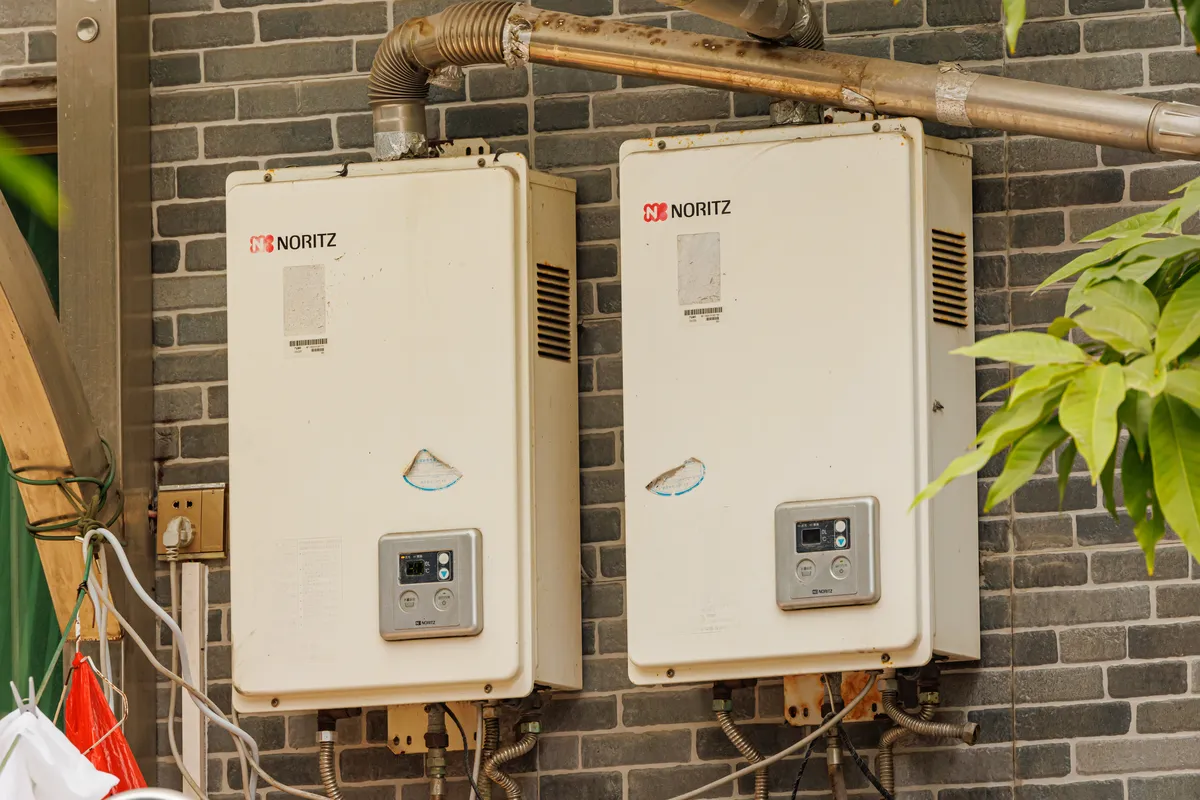
Slow leaks are found late because they happen where nobody looks: behind the washer, under the water heater, at the back of the sink cabinet. A sensor the size of a matchbox sits in each of those spots and calls your phone when water touches it. The Govee Wi-Fi set holds 4.3 stars from 10,177 ratings on its Amazon listing (November 2026); the plainer set without Wi-Fi holds 4.6 stars from 5,035. Place them dry, test them with a wet finger, and a two hundred dollar leak stops being a two thousand dollar floor. The sensors find water. They do not stop it, and this page keeps that line clear.
Why does this happen?
Supply lines and drain joints fail slowly. A fitting weeps a teaspoon an hour, the subfloor drinks it, and the first visible sign is a warped board or a stain on the ceiling below, weeks after the cheap fix stopped being cheap.
The spots that leak are the spots nobody opens: the water heater pan, the washer's back wall, the dishwasher's underside, the sink cabinet's back corner. A sensor earns its place by sitting in the dark for a year and being believed the one time it speaks.
An alert is only as good as its path to you. A beeping sensor in an empty house helps no one, which is why the Wi-Fi hub and the phone alert are the product here. The plain beeping set suits a house that is rarely empty overnight.
The fix, in order
Cheapest first, in order. When a step solves it, you are done; the product step is for the cases the free steps cannot finish.
Free step
Walk the wet spots today
With a flashlight and a dry paper towel, check under every sink, behind the washer, around the water heater base, and at the dishwasher's front corners. Press the towel to each fitting and floor seam. Any towel that comes back damp has found your first repair, free.
The product step
Put a sensor in each dark spot
Set one Govee sensor flat in the water heater pan or at its base, one behind the washer, and one at the back of the busiest sink cabinet. Connect the hub, name each sensor for its spot in the app, and test each with a wet fingertip so you hear the alert and see the phone notice arrive.
The product for this step
Govee Wi-Fi water sensor kit
Habit step
Answer alerts like they are real
Every alert gets eyes on the spot the same day, even if it turns out to be a spill. The month a real weep starts, that habit is the whole value of the system. Change the sensor batteries when the app reports them low, not after.
The evidence, in tiers
Tier 1 · The method
The method is standard loss prevention: place detection at the known failure points, verify the alert path end to end at install, and treat the sensor as detection only. Insurers publish the same spot list: heater, washer, dishwasher, sinks, and the refrigerator's water line.
Tier 2 · This product
The Govee Wi-Fi water sensor set holds 4.3 stars from 10,177 ratings on Amazon (November 2026). The non Wi-Fi set from the same maker holds 4.6 stars from 5,035 ratings. We have not flooded a floor to test them for this guide. The record behind both sets is large enough to read its complaint pattern plainly, and that pattern is in the flaw list.
The Wi-Fi set rates lower than the plain set, and the gap is the hub: connection drops and app setup account for most of its low ratings, not the sensing itself. If your house is rarely empty, the plainer set's record is the better one, and the comparison below says so.
Tier 3 · What owners report
Owners who caught a real leak describe the alert arriving while the water was still a puddle, with floors saved. The unhappy reports name Wi-Fi drops that delayed an alert, sensors that missed a slow drip landing beside them rather than on them, and batteries that died unreported. Placement on the lowest flat spot and a monthly app check answer most of it.
The alternatives, conceded where they win
| Option | What it is | The honest verdict |
|---|---|---|
| Govee Wi-Fi water sensor kit | Three sensors plus a hub, phone alerts | The pick for a house that stands empty on workdays and trips: the alert reaches you wherever you are. |
| Govee plain water sensors, five pack | Beeping sensors with no hub | The better record (4.6 stars from 5,035 ratings) and more spots covered for the money. It only helps if someone is home to hear it, and it wins outright in a house that rarely stands empty. |
| A water pan under the washer or heater | A shallow tray that holds a small leak | Worth having under the heater either way, and it buys time. A pan holds a weep, not a burst, and it says nothing while it fills. Pair it with a sensor, not instead of one. |
| An automatic shutoff valve system | A motorized main valve that closes when sensors trip | The strongest form of this idea and the right call for a second home or a house with a history of burst pipes. It costs many times more and wants a plumber to fit it. |
The honest price comparison
Start with the free walk and a flashlight. If every towel comes back dry, the sensor set is cheap insurance placed in a weekend hour. If a towel comes back damp, fix that fitting first and let the sensors guard the rest.
Where it falls short
What follows is drawn from the product's own reviews: the complaints and failures buyers report after living with it.
- A sensor only reports water that touches it. A drip that lands an inch away and runs under the floor can still hide, which is why placement on the lowest flat surface matters more than the brand.
- The Wi-Fi set's hub is its weak point in the reviews: dropped connections and app setup trouble make up most of its low ratings.
- Detection is not shutoff. An alert while you are on a flight still leaves the leak running until someone gets there or you call a neighbor with a key.
- Batteries are a chore with a deadline. A sensor with a dead battery is a plastic disc, and the app's low battery notice is easy to swipe past.
The product, in short
Govee Wi-Fi water sensor kit
Questions people ask next
Where are the first three spots to cover?
The water heater base or pan, behind the washing machine, and under the kitchen sink. Add the dishwasher's front edge and any bathroom sink on the floor above a finished ceiling next, in that order.
Will it catch a burst pipe in time?
It will alert within moments of water reaching the sensor, which limits how much water lands before you act on the alert. It cannot close a valve. For a house left empty for weeks, look at the shutoff systems in the comparison instead.
Do the sensors work on carpet or in a crawl space?
They need a hard, flat surface where water pools first. On carpet the water wicks away under the sensor and the alert comes late. Put them on the hard floor at the edge of the carpeted area, or on a small flat board.
How long do the batteries last?
Owners report around a year in typical spots, less in cold utility rooms. The app reports battery level per sensor; check it when you test the alarms each month and swap any sensor reporting low.
Amazon listing record for the Govee Wi-Fi water sensor set (November 2026) · Amazon listing record for the Govee plain water sensor set (November 2026) · Insurer guidance on home water damage and sensor placement
The Fix JournalCase 42Home Systems