Squeaky Hinges: The Right Lubricant (It Is Not the Blue Can)
A hinge squeaks because metal is sliding on dry metal, and the lubricant most households reach for is a solvent that cleans more than it lubricates and evaporates within weeks. A silicone lubricant stays, does not stain, and ends the squeak properly.
The short answer
Use the silicone, not the classic: WD-40 Specialist Silicone on the hinge pin leaves a film that lasts, which is why it holds 4.7 stars from 997 ratings at Home Depot (November 2026). The original WD-40 is mostly solvent: it silences a hinge today and evaporates by next month. The difference between the two cans is the point of this page.
Why does this happen?
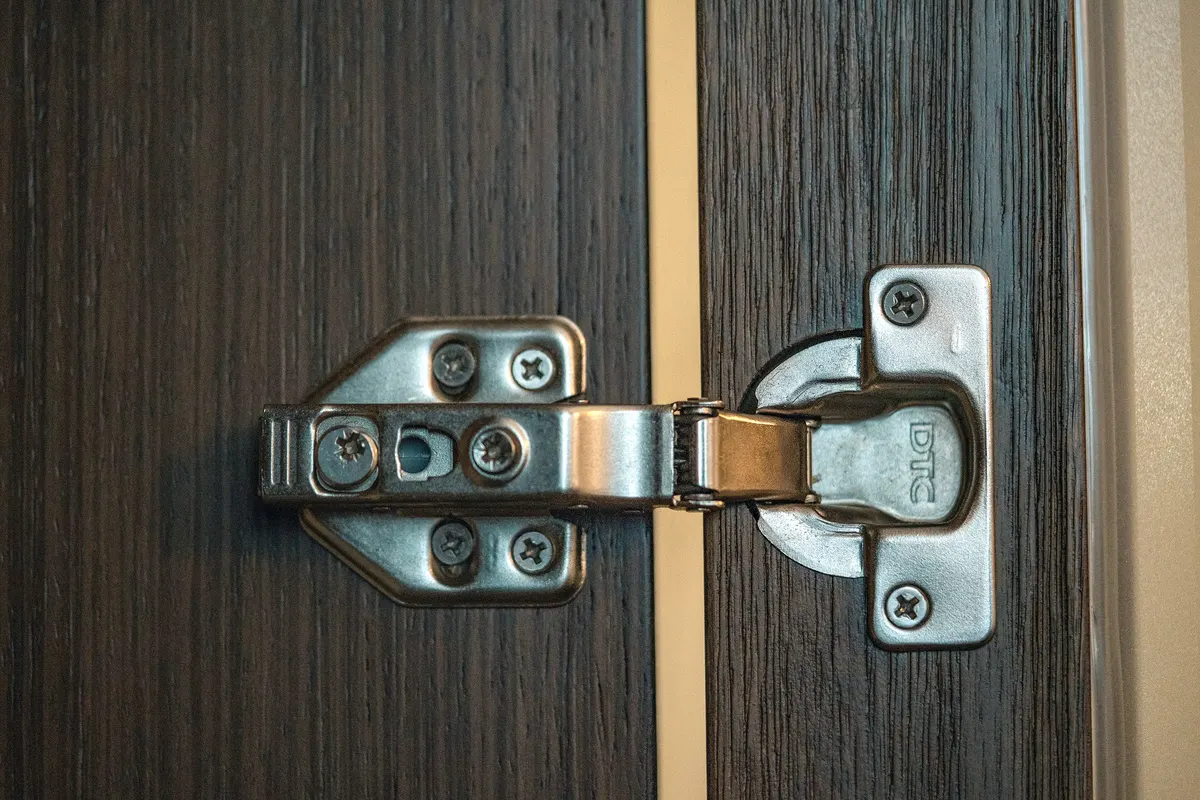
A door hinge is a pin turning inside knuckles under the door's weight, a bearing that was greased at installation and has since run dry, collecting dust into an abrasive paste. The squeak is a stick-and-slip vibration: dry surfaces grip and release thousands of times a second, and the hinge sounds at the frequency of its own friction. Any liquid quiets it briefly by separating the surfaces; the question is what remains when the carrier leaves. Solvent-heavy water-displacement sprays (the original WD-40 formula) are brilliant cleaners and penetrants whose lubricating residue is thin and short-lived, which is why the hinge cure most people reach for wears off within about a month.
Silicone lubricants deposit a persistent, chemically inert film with a wide temperature tolerance and no staining of surrounding paint or wood, which suits interior hinges well. Graphite and white lithium grease are the other durable classes (the locksmith's and the garage's choices respectively), each with a trade: graphite is dry and black (messy on a white door's knuckle), lithium is superb and visible. The silicone spray is the best balance for household interiors, and its application has one refinement: lubricant belongs on the pin, worked in by swinging the door, with the excess wiped, because a hinge drowned in spray collects the dust that becomes next year's paste.
The fix, in order
Each step costs more than the one before it, so stop at the first one that solves the problem; the product is there only if the free steps run out.
The product step
Lift the pin halfway and dose the shaft
Tap the hinge pin up a half inch from below (a nail set and hammer), apply the silicone to the exposed shaft, tap it home, and swing the door ten times to work the film through the knuckles. Pin-first application beats spraying the outside, which mostly lubricates the paint.
The product for this step
WD-40 Specialist Silicone lubricant
Free step
Wipe the excess like you mean it
Every visible trace off the hinge and door: excess lubricant is a dust magnet that rebuilds the abrasive paste this whole exercise removed. The film you want is the one you cannot see.
Habit step
Do the house's other hinges on the same can
Interior doors share an age and a fate; a five-minute circuit while the can is out converts a recurring annoyance into an annual non-event. Bathroom hinges, living in humidity, go first in every house and deserve the first dose.
The evidence, in tiers
Tier 1 · The method
The squeak mechanism (stick-and-slip friction) and silicone film persistence are standard, well-established facts about friction and lubrication; the solvent-versus-lubricant distinction between the two WD-40 products is the manufacturer's own product positioning.
Tier 2 · This product
WD-40 Specialist Silicone holds 4.7 stars from 997 ratings at Home Depot (November 2026).
We have not squeaked a test hinge for this guide. The method is trade standard and mechanically verifiable in one swing of the door.
Tier 3 · What owners report
Owners report the one-application permanence that separates a film lubricant from a solvent, and the failures are the outside-spray applications (lubricated paint, dry pin) that the pin-first step above exists to correct.
The alternatives, conceded where they win
| Option | What it is | The honest verdict |
|---|---|---|
| WD-40 Specialist Silicone | Persistent silicone film, non-staining | The pick for interior hinges: durable, clean on painted doors, and safe around the plastics and rubbers a modern door contains. |
| Original WD-40 | Solvent penetrant with light residue | Wins as a cleaner and a stuck-pin loosener (it can free the pin this page lifts); it loses as the lubricant, evaporating to a relapse within weeks. Keep both cans, by all means, in their correct jobs. |
| Petroleum jelly or bar soap on the pin | Household grease films | Wins on a Sunday night with no store open, and genuinely lasts longer than the solvent spray; it loses on mess and dust collection, but as an emergency fix it beats doing nothing, and this page respects it. |
The honest price comparison
The honest comparison is a $7 can that serves every hinge in the house for years, against a door that squeaks every time someone leaves a bedroom at midnight. The can is cheap, and it still wins on value.
Where it falls short
The weaknesses below come from the product's own review record. Hiding them would make this an advertisement, so they are here.
- It cannot fix a sagging, binding, or damaged hinge, and the distinction in the box above (squeak alone versus squeak with symptoms) is the page's condition.
- Overspray on floors is a slip hazard and on paint a residue; the pin method and the wipe exist because spray discipline is the difference between a lubricant and a mess.
- Silicone contamination matters to painters: a hinge destined for repainting should be cleaned or masked, because silicone causes fisheyes in new paint. A narrow warning, printed because it can save one reader a whole door's finish.
The product, in short
WD-40 Specialist Silicone lubricant
Questions people ask next
Why did the blue can only work for a month?
Because its formula is a solvent system with a light oil residue: it cleaned the hinge beautifully and left little behind to lubricate. It is an excellent product aimed at a different shelf of problems (stuck, wet, corroded), and the Specialist line exists because the company knows the difference even if the branding blurs it.
The pin will not budge. Now what?
Penetrant first (the original can's true calling), patience, and upward taps with the door supported. A pin seized by paint needs its paint seam scored with a utility knife. Force applied to a supported door is safe; force applied while the door hangs on the hinge you are removing is how doors land on feet.
Can I use it on a squeaky door closer or lock?
Locks prefer graphite (liquid lubricants gum lock pins over time, per locksmiths), and closers have their own adjustments; the silicone's territory is hinges, tracks, and sliding hardware. One can, several jobs, with the lock respectfully excluded.
Is it safe on the baby's nursery door at 2 a.m.?
The lubricant is inert once applied and wiped; the 2 a.m. problem it solves (the squeaky hinge on the way out of a sleeping baby's room) is, going by the reviews, this product's most loved use.
Tribology of hinge friction; manufacturer product positioning for silicone versus solvent sprays · Home Depot product record for WD-40 Specialist Silicone (November 2026)
The Fix JournalCase 03Family & Friction