The Aquarium Heater Stuck On and Cooked the Tank
A heater that fails in the on position can kill a tank overnight, and the fix is a second brain watching the first
The short answer
Heaters fail, and the failure that kills is stuck on. An external controller is the standard guard: the heater plugs into it, its probes read the water, and it cuts power at the limit you set. The Inkbird ITC-306A holds 4.9 stars from 49 reviews on the maker's own store, read during this build (November 2026), and its Amazon listing reports 400 or more bought in the past month. Set it up the way experienced keepers do, with the heater's own thermostat left in place as the second guard, because the controller itself can fail too. Two layers, neither trusted alone. That is the whole doctrine of this page.
Why does this happen?
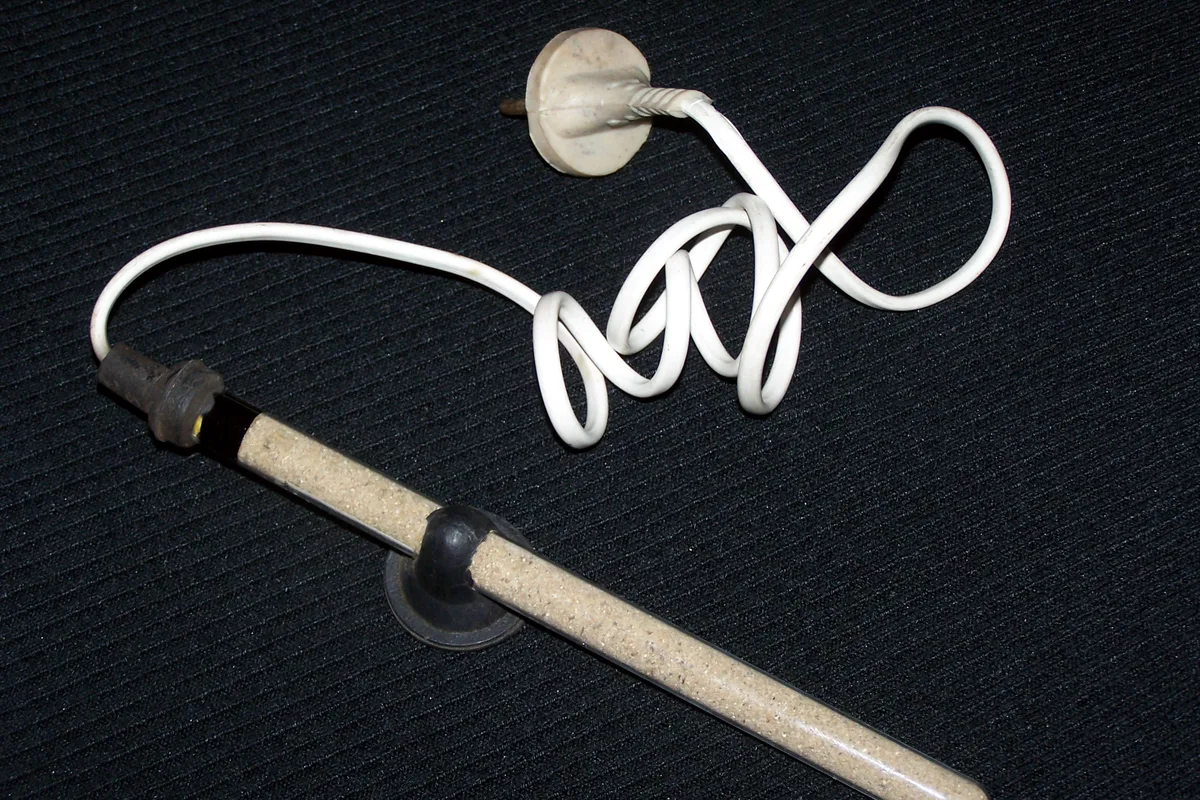
A tank heater is a cheap thermostat switching a hot element in water, thousands of times a year. When the switch welds shut or the sensor drifts, the element runs without pause, and a small tank's temperature can climb past what fish survive in a single night.
The controller breaks the chain by moving the decision outside the heater. Its probes sit in the water away from the heater, its limit is set by you, and when the water crosses it, the power stops, whatever the heater's own thermostat believes.
Experienced keepers split the heating for the same reason: two smaller heaters at half the wattage each, so one stuck heater alone cannot cook the tank before the controller or the keeper notices. The setup is a system, and the controller is its center, not its entirety.
The fix, in order
In order, cheapest first. Stop at the step that solves it; the product step is for what the free steps cannot finish.
Free step
Set the fail safe you already own
Turn each heater's own thermostat to one or two degrees above your target temperature. That dial is a crude guard, but a heater set near target cannot run a tank as hot as one set carelessly high, and this step costs nothing tonight.
The product step
Put the controller between the wall and the heaters
Plug the heaters into the Inkbird's outlets, place both probes in open water away from the heater's plume, and set the controller's limit one degree above target with its alarm on. The heater thermostats stay set a degree above the controller, so three limits now stand in a row: controller first, heater dial second, your eyes third.
The product for this step
Inkbird ITC-306A Wi-Fi temperature controller
Habit step
Check the number against a plain thermometer
Keep a simple glass or digital thermometer in the tank and glance at it with feedings. Controllers and probes drift, and the day the controller's number and the plain thermometer disagree by more than a degree is the day to recalibrate or replace a probe, not to pick the number you prefer.
The evidence, in tiers
Tier 1 · The method
The method is the aquarium hobby's standard practice, documented across keeper forums and maker guidance: split wattage across two heaters, guard them with an external controller, and keep each heater's own thermostat as a backstop a degree above the controller's limit. The alarm settings follow the maker's documentation.
Tier 2 · This product
The ITC-306A holds 4.9 stars from 49 reviews on the maker's own store, read during this build in November 2026; the visible reviews include owners naming this exact model and use. Its Amazon listing reports 400 or more bought in the past month (November 2026). We have not run one on a test tank for this guide. Forum reports from long term keepers describe years of steady service, and the same forums carry the failure reports printed below.
Forty nine reviews is a thin count, and it is a store's own page. This page therefore rests the pick on the practice behind it, which the whole hobby uses, and on the buying volume at the marketplace, and prints the thin count rather than dressing it up.
Tier 3 · What owners report
Keepers describe tanks held steady through heater failures that would have been losses, and Wi-Fi alarms that reached them at work in time. The unhappy reports are real and they shape this page: some units fail within six months, probes drift, and the app wants a 2.4 GHz network only. A guard that can fail is why the heater's own thermostat stays in the system as the second guard.
The alternatives, conceded where they win
| Option | What it is | The honest verdict |
|---|---|---|
| Inkbird ITC-306A controller | Wi-Fi controller with two probes and alarms | The pick: dual probes, phone alarms away from home, and a record of long service in keeper forums, with its failure reports printed. |
| A non Wi-Fi controller (ITC-306T class) | The same guard without the app | Cheaper and simpler, and it still cuts the power, which is the main job. You lose the phone alarm, which is the feature that saves tanks whose keepers travel. |
| Two half size heaters, no controller | Split wattage as the only guard | Better than one big heater, and the free half of this page's system. A stuck heater still raises the tank slowly, and nothing alerts you. It is a layer, not the guard. |
| Trusting the heater's brand | Buying a premium heater and skipping the guard | Better heaters fail less often, and less often is not never. The whole hobby's doctrine exists because expensive heaters have cooked tanks too. |
The honest price comparison
For about the price of the fish it protects, the controller turns a tank killing failure into an alarm on your phone. Set it up with the heater's own dial left as backstop, and you have bought the two layer system the experienced keepers run, not a gadget.
Where it falls short
The weaknesses below come from the product's own reviews: the complaints keepers report after the first month, not the first day.
- The controller can fail too. Some keepers report units failing inside six months, which is why this page never lets it guard alone.
- Probes drift and need checking against a plain thermometer. A controller reading two degrees low will cook a tank slowly while reporting that all is well.
- The Wi-Fi works on 2.4 GHz networks only, and the app setup frustrates some owners. The guard works without the app; the remote alarm does not.
- The store record behind the headline figure is 49 reviews. The buying volume is large, the review count is small, and both facts are printed here.
The product, in short
Inkbird ITC-306A Wi-Fi temperature controller
Questions people ask next
What temperatures should I set?
Set the controller's heating limit at your target, its high alarm one to two degrees above, and each heater's own dial one degree above the controller. The row of limits means a single failure raises the tank a degree or two, not ten.
Do I need two heaters as well?
On any tank you cannot afford to lose, yes: two heaters at half the needed wattage each. One stuck heater of half size warms the tank slowly enough for the controller and the alarms to matter.
Where do the probes go?
In open water with flow, away from the heater itself, so they read the tank and not the heater's warm plume. Two probes in different spots, as this unit provides, guard against one probe slipping out of the water and reading the room.
My controller and thermometer disagree. Which is right?
Trust neither until you check a third reading, even a glass of water at a known temperature with both probes in it. Recalibrate per the maker's steps or replace the drifting probe. Never average the two numbers and relax.
Inkbird store record for the aquarium temperature controller series, 4.9 stars from 49 reviews (November 2026) · Amazon listing record for the Inkbird ITC-306A, 400 or more bought in past month (November 2026) · Aquarium keeper forum reports on controller use and failures
The Fix JournalCase 06Aquatics